Jakob Schröder · 27 October 2026
Combevale Primary School Launches Student-Led Oral History Project with Local Historians
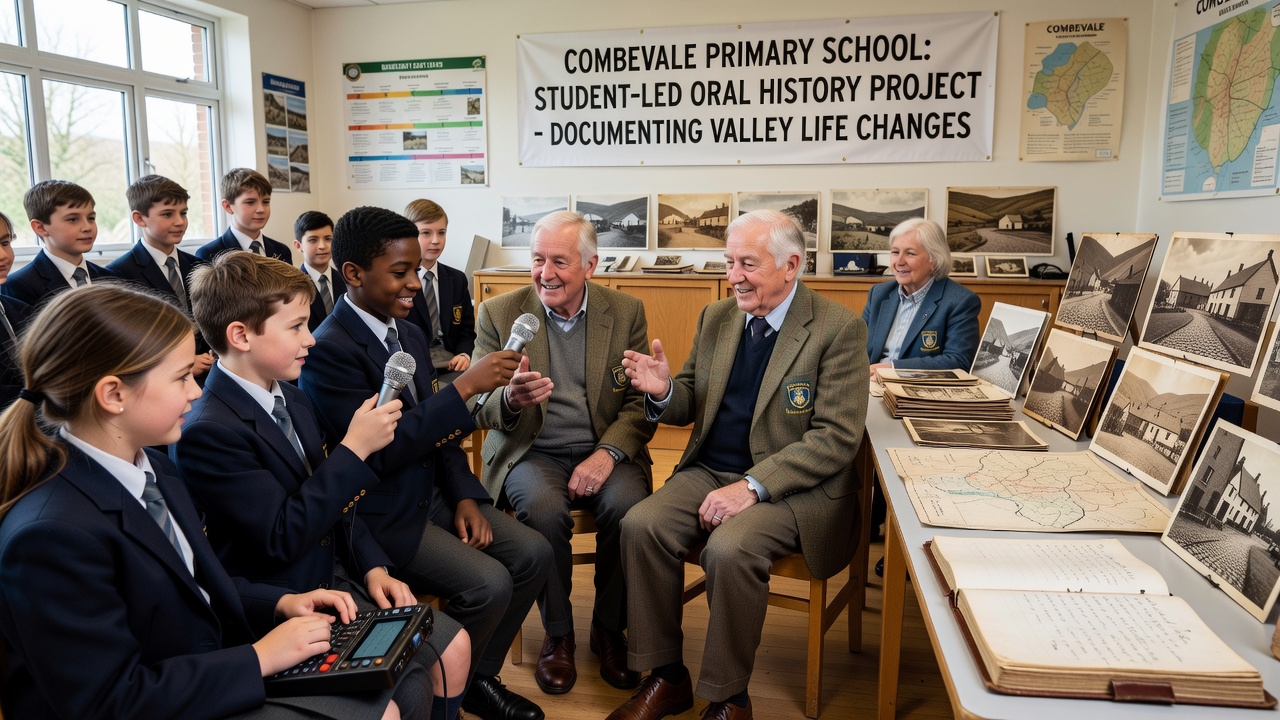
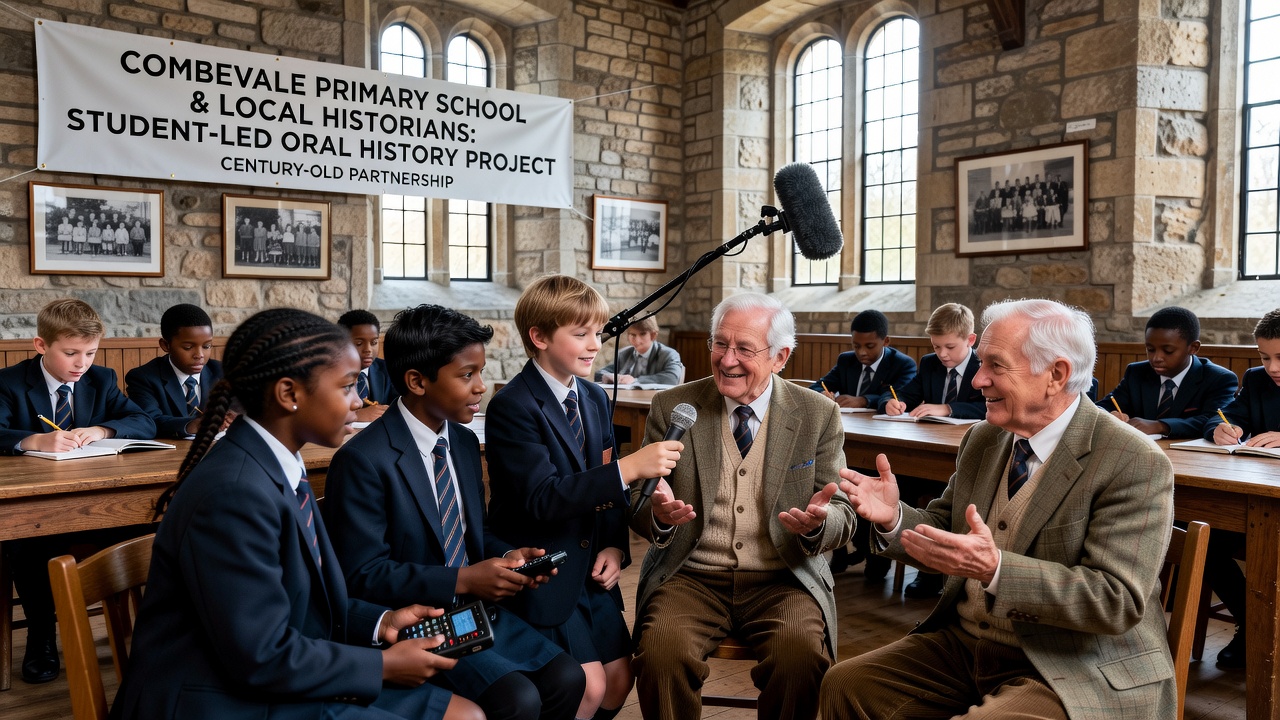
Combevale Primary School, established over a century ago, has partnered with local historians to launch a student-led oral history project that documents shifts in valley life, and the initiative draws on the school's long-standing role in the community while involving pupils directly in gathering firsthand accounts.
The project began earlier this year when school administrators contacted members of the Combevale Historical Society to coordinate interview training sessions for students in years five and six, and these sessions cover recording techniques along with ethical guidelines for preserving personal stories from older residents.
Project Structure and Timeline
Students conduct interviews at community venues including the village hall and library meeting rooms, while teachers integrate the collected material into lessons on local geography and social studies, and the work continues through the autumn term with a planned exhibition of recordings and transcripts scheduled for October 2026.
Each participating class divides into small groups that focus on specific themes such as changes in farming practices, shifts in village transport, and alterations to traditional community events, and this thematic approach allows pupils to compare accounts across generations while building a broader picture of valley development over the past hundred years.
Student Training and Community Involvement
Local historians provide guidance on question development and audio equipment use, yet the students handle most of the interview scheduling through letters sent to families and notices posted in local shops, and several residents have already volunteered their time after hearing about the effort at recent parish council meetings.
One group of year six pupils visited a retired farmer who described how mechanisation altered daily routines on valley holdings since the 1950s, while another team recorded memories of the local railway line closure and its effect on market access for produce, and these sessions produce both audio files and written summaries that the historical society will archive.
Archiving and Educational Integration
The collected materials feed into a digital archive hosted on the school's secure server, with copies provided to the historical society for wider community access, and teachers note that the process strengthens pupils' research skills while connecting classroom topics to tangible local evidence.
According to guidance from the Oral History Association, student involvement in such projects improves retention of historical context when participants handle primary sources directly, and similar efforts in other regions demonstrate measurable gains in civic awareness among young learners.
Combevale's approach aligns with broader trends in heritage education, where schools collaborate with voluntary groups to capture vanishing accounts before they disappear, and the valley's relatively isolated location has preserved distinct dialects and customs that residents describe in detail during sessions.
Broader Context of Valley Documentation
Records from the Combevale census and parish registers already show population fluctuations tied to employment patterns in agriculture and small-scale manufacturing, while the oral histories add personal layers to those statistics by recounting individual decisions to stay or leave the area over decades.
Researchers at institutions such as the National Library of Australia have documented comparable student-led projects that link generational stories to environmental and economic data, and the Combevale effort follows this model by cross-referencing interview content with existing maps and photographs held by the local society.
October 2026 marks the target date for a public presentation where students will present edited audio segments alongside timelines illustrating valley changes, and organisers expect participation from families, councillors, and representatives from neighbouring villages interested in replicating the format.
Conclusion
The collaboration between Combevale Primary School and local historians continues to expand as more residents come forward with stories, and the resulting archive offers a resource for future researchers studying rural transformation in the region, while pupils gain practical experience in historical methods that extends beyond standard curriculum requirements.